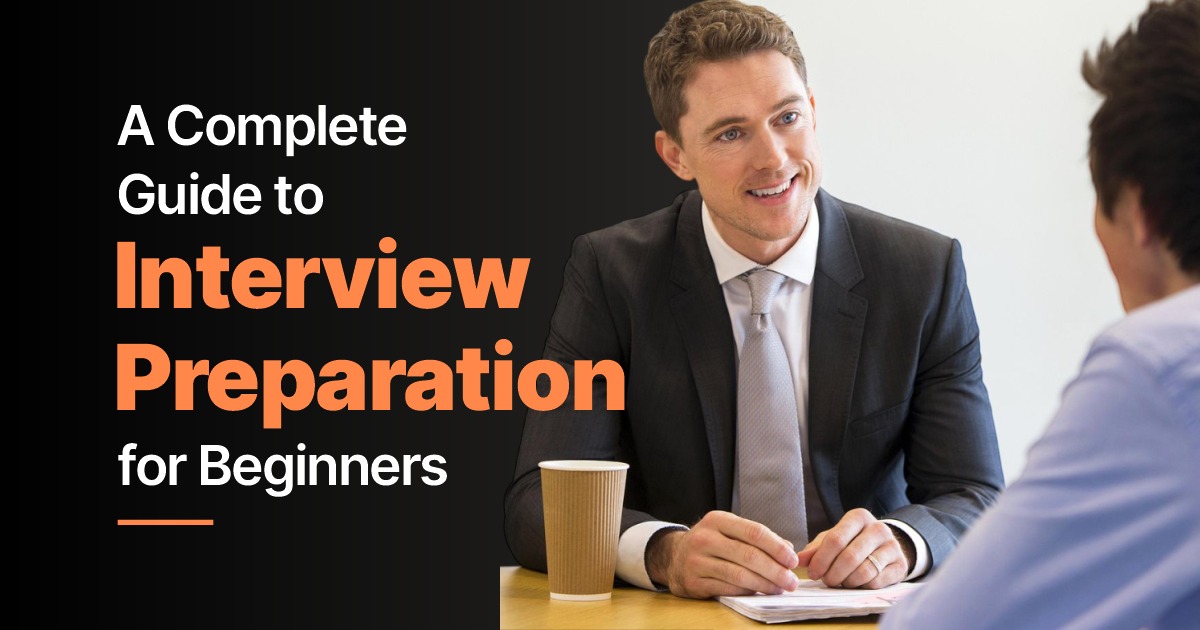
Landing your first job can feel overwhelming, especially if you’ve never attended an interview before. Many beginners worry about what questions will be asked, how to answer confidently, what to wear, and how to make a good first impression.
The good news? Interview success is a skill—and skills can be learned.
This complete interview preparation guide for beginners will help freshers understand how interviews work, what employers expect, and how to prepare step by step. Whether you're a student, recent graduate, or someone attending your first interview, this guide will help you build confidence and improve your chances of getting hired.
What is Interview Preparation?
Interview preparation is the process of getting ready for a job interview by researching the company, practicing common interview questions, improving communication skills, and preparing professionally.
For beginners, proper interview preparation helps reduce nervousness, improve confidence, and increase selection chances.
Why Interview Preparation Matters for Beginners
A well-prepared candidate always stands out. Here’s why interview preparation is important:
- Builds confidence before your first interview
- Reduces anxiety and nervousness
- Helps you answer interview questions clearly
- Improves communication and body language
- Creates a strong first impression
- Helps you avoid common fresher mistakes
- Increases your chances of getting selected
- Makes you feel more professional and prepared
How to Prepare for an Interview for Beginners (Step-by-Step)
If you’re wondering how to prepare for an interview as a fresher, follow these simple steps.
1. Research the Company
Before attending any interview, learn about the company.
Check:
- Company website
- Services or products
- Company culture
- Recent news or updates
- Job description
This helps you answer questions confidently and shows genuine interest.
2. Understand the Job Role
Read the job description carefully.
Ask yourself:
- What skills are required?
- What responsibilities are included?
- Does my background match this role?
Understanding the role helps you give relevant answers.
3. Practice Common Interview Questions
Practice speaking your answers aloud.
Common beginner interview questions include:
Tell me about yourself.
Why do you want to work here?
What are your strengths and weaknesses?
Where do you see yourself in 5 years?
Why should we hire you?
How do you handle pressure?
Are you a team player?
Practice improves fluency and confidence.
Best Answer for “Tell Me About Yourself” (For Beginners)
This is one of the most common interview questions.
Use this simple structure:
Introduction
Start with your name and educational background.
Skills
Mention relevant strengths like communication, teamwork, adaptability, or technical skills.
Experience or Projects
Talk about internships, academic projects, certifications, or achievements.
Career Goal
Explain why you’re interested in the job.
Example Answer
"My name is Rahul Sharma, and I recently completed my B.Com degree. During my studies, I developed strong communication and teamwork skills through academic projects and presentations. I also completed a digital marketing certification, where I learned SEO and content creation basics. I’m now looking for an opportunity where I can learn, grow, and contribute to the company."
Essential Interview Skills for Beginners
Strong interview skills can significantly improve performance.
Communication Skills
Speak clearly, confidently, and politely.
Listening Skills
Listen carefully before answering.
Body Language
Maintain:
- Eye contact
- Straight posture
- Calm hand movement
- Positive facial expressions
Time Management
Always arrive 10–15 minutes early.
Problem-Solving Skills
Show logical thinking while answering scenario-based questions.
Confidence
Confidence matters—but avoid sounding overconfident.
Common Interview Mistakes Beginners Should Avoid
Many freshers lose opportunities because of avoidable mistakes.
Avoid these:
- Not preparing beforehand
- Giving very long answers
- Speaking too fast
- Using filler words like “umm” or “actually”
- Poor eye contact
- Negative body language
- Not researching the company
- Being late
- Dressing unprofessionally
- Speaking negatively about previous experiences
- Not asking questions at the end
What to Wear for Your First Job Interview
First impressions matter.
Interview Dress Code for Men
- Formal shirt
- Formal trousers
- Clean formal shoes
- Minimal accessories
- Well-groomed appearance
Interview Dress Code for Women
- Formal shirt/top with trousers
- Professional kurti or business attire
- Clean footwear
- Minimal jewelry
- Neat grooming
General Tips
Choose neutral colors like:
- Black
- Navy blue
- White
- Grey
- Beige
Avoid flashy outfits or strong perfumes.
Interview Preparation Checklist for Beginners
Use this checklist before your interview:
Resume copies ready
Company research completed
Interview clothes prepared
Common questions practiced
Job description reviewed
Documents organized
Route/location checked
Mobile phone on silent mode
Questions prepared for interviewer
Questions You Can Ask the Interviewer
At the end of the interview, asking smart questions leaves a positive impression.
Examples:
- What does a typical day in this role look like?
- What skills are most important for this position?
- What does success look like in this role?
- What are the next steps in the hiring process?
What to Do After the Interview
Interview preparation doesn’t end when the interview ends.
Send a Thank You Email
Send a professional thank-you email within 24 hours.
Evaluate Your Performance
Ask yourself:
- What went well?
- Which answers need improvement?
Prepare for Next Rounds
Some companies have multiple interview rounds.
Stay Positive
Even rejection helps you learn and improve.
Quick Interview Tips for Freshers
Here are some fast interview success tips:
- Practice mock interviews
- Speak confidently
- Be honest
- Keep answers concise
- Stay calm
- Smile naturally
- Carry required documents
- Focus on learning, not perfection
Final Thoughts
Your first interview may feel intimidating, but preparation changes everything.
The more you practice interview questions, improve communication skills, and understand employer expectations, the more confident you’ll become.
Every successful professional once attended their first interview too.
Prepare well, stay calm, and give your best.






Comments