
The reality of the corporate world is far from what most people imagine. Thousands of candidates are out there searching for a perfect, high-paying job that matches their expectations, while hundreds of recruiters are on the other side looking for the perfect candidate to get the job done. If jobs are available and candidates are ready, why do both sides still struggle? The answer lies in their mindset. Recruiters walk in with a set of expectations from every new hire, while freshers enter with high hopes for their first job. The problem is that these expectations rarely align, and instead of solving each other’s challenges, the gap between them only grows over time. So what exactly makes these mindsets different, and how do they affect the hiring journey?
Some of these differences exist because of traditional methods that haven’t changed, others because no one tried to challenge them, and some simply because times have moved forward, but thinking has not. From the very first interview to the hiring process and even after joining, this gap continues to shape the experience for both recruiters and freshers.
This blog will help you discover some of the key areas where recruiters' and freshers' mindsets differ, how to bridge that gap, and how freshers can better understand what recruiters are really looking for.
Resume: Quality > Quantity
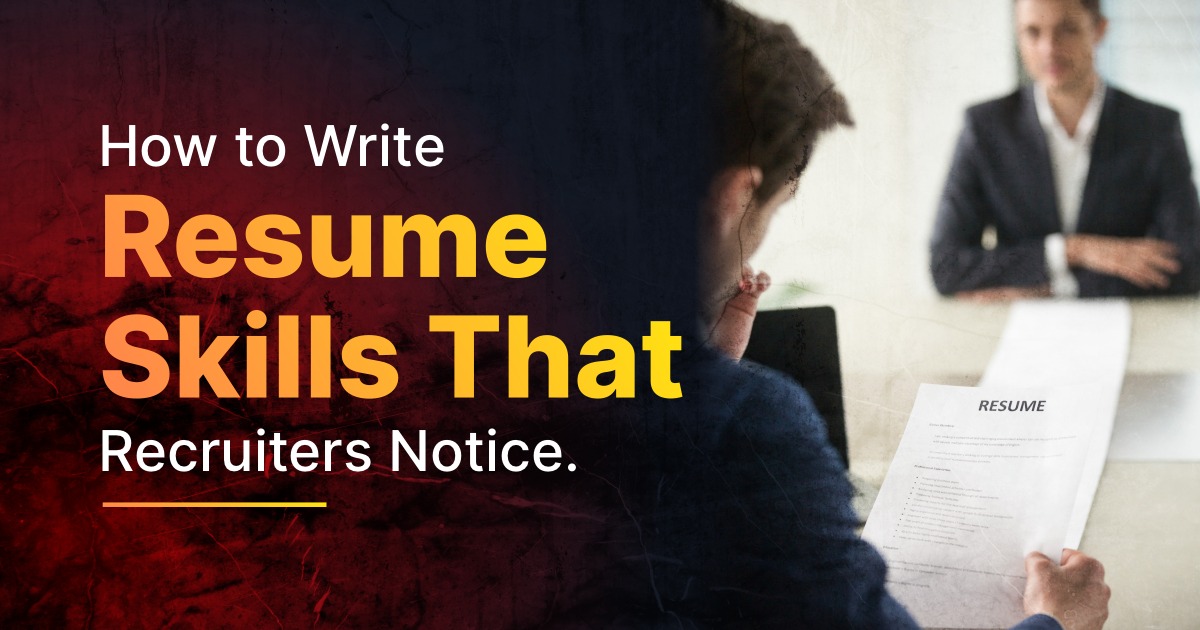
Recruiter's side: A recruiter values quality over quantity. They don’t want to go through a five-page, heavily formatted resume to hire a single candidate. A simple two-page resume can work if it includes the essentials like personal details, academic qualifications and most importantly, a clear highlight of your skills (both soft and hard). They aren’t looking for a formatted resume with excessive details; they just want a resume that reflects your true self and your skills to perform the task.
Freshers' side: Many fresher still think that the length of a resume is the key feature to impress the recruiters. They fill every details-from school-level achievements to hobbies, believing it makes them look more impressive. But the results are often opposite. Instead of showcasing their strengths, the unnecessary details hide the important points, making it difficult to look beyond your truly relevant skills, which initially leads to sometimes ignoring your potential.
Skill over Degree
Recruiter's side: Nowadays, recruiter values skill over degree. Though a degree still holds value, the thing that attracts an interviewer's attention is skills. They want to see if you can apply what you have learned in school, adapt to changes, face challenges and bring growth to the team. A candidate with several soft skills, like time management, communication, and problem-solving ability, along with the hard skills, always stands out among candidates with several certificates in their resume.
Freshers' side: Many freshers traditionally believe that being the topper of the class can bring them high paying job, and majorly it did too, but not every time. They think that marks are the only qualification recruiters are looking for, and sometimes even after having those skills, they don’t highlight them, considering them less important. And that one misconception about hiring can make them more frustrated, even after having all the skills to secure a high-end paying job.
Interviews: Assessing VS Proving
Recruiter's side: For a recruiter interview isn’t just a question-answer session; it’s a time for them to evaluate the candidate properly about their personality, confidence, problem-solving skills and whether the candidate will fit into the company’s culture. They value honesty more than a memorised answer.
Freshers' side: Freshers often takes interview as their exams, for which they prepare right and wrong answers. This often makes them nervous and more likely to stick to a scripted response. Many forgot that interviews are conversation not tests, and that being authentic often works better than any scripted answer to sound perfect.
Expectations from the First Job
Recruiter's side: Recruiters hire freshers with the mindset that they’ll need training, guidance and time to adapt. They don’t expect perfection from the fresher, but they do expect their willingness to grow, to accept changes, to improvise.
Freshers' side: Many freshers walk in expecting a high salary, quick promotion and clarity in roles from day one. When reality turns out to be slower and more demanding, they feel disappointed. This gap in expectations often leads to dissatisfaction at the start of a career.
Communication gap
Recruiter's side: Recruiter wants someone full of confidence, they value such candidates who can express themselves freely, clearly and confidentially. They want someone who can communicate ideas, ask meaningful questions and listen well. Simple and clear communication makes a strong impact.
Freshers' side: Freshers often hesitate and get nervous, fearing they might say something wrong. Some try to sound impactful by using strong and complicated words, thinking it might sound professional. But instead of impressing, it often creates confusion or shows a lack of confidence.
The Importance of Cultural Fit
Recruiter's side: Beyond every skills the recruiter notices that if the candidate can blend into the natural culture of the company. They know someone who can align with the team can create a better environment for teamwork, and perfect teamwork can lead to the growth of everyone, along with the organisation.
Freshers' side: Freshers aren’t aware of the little might thing recruiter notices, they just focus on salary, brand name and job title. Cultural fit often makes it to the list afterthought, and then the realisation of a different workplace culture can lead to dissatisfaction.
Career Growth Outlook
Recruiter's side: The recruiter sees the first job as the starting point of everything, which includes learning. They expect growth to be gradual -through learning, consistent efforts and experience. They believe steady progress can lead to long-term success.
Freshers' side: Many freshers expect fast promotion and growth, and start to compare themselves with others who might be growing differently. This impatience sometimes leads to switch job rapidly, which might cause them to lose the chance to build a strong foundation.
Final Thought
At the end of the day, both the recruiter and fresher wants same thing- Success. Recruiters want capable, reliable people who can complete their job effectively and contribute to the team, while freshers want opportunities that can pay off their hard work and create a strong foundation for their career. The problem isn’t the lack of jobs or talent; it’s about the gap in how each side thinks and what they expect from each other.
For a fresher, their first job doesn’t need to be perfect; the same goes for a recruiter; every candidate doesn't need to be perfect. What matters is growth, adaptability and willingness to learn from every experience. If the recruiters and freshers drop their overly set of expectations and try to understand each other with openness, patience and realistic expectation then the so-called ‘gap’ can shrink and both sides can move forward even stronger.












Comments