You possess the skills and have the experience from doing the job, yet somehow you did not get the job after your interview. This can be one of the most frustrating things to happen to someone looking for work, especially when it happens more than you think it does.
Every year, thousands of highly qualified individuals do not receive job offers, not due to lack of ability but rather due to mistakes that could have been avoided if caught during the interview process. To be able to fix those mistakes once you understand what they are is good news.
Below is a list of the most common reasons why excellent candidates do not get hired after a successful job interview, along with ways to avoid making those same mistakes. Whether you are interviewing for the first time or the fifty-first time, these recommendations can help you achieve your highest performance.
1. Poor Interview Preparation
Understanding how applicants often fail to prepare adequately for an interview is critical. Good candidates often think their resume will speak for itself. This is not true!
A candidate who enters an interview without understanding the Company (its products, values, recent news, etc) and the Job they are interviewing for signals a lack of interest; therefore, regardless of how strong their qualifications may be.
How to avoid it?
The best way to prepare for an interview is to thoroughly research the Company and the role you are interviewing for before the interview date. Reviewing the Company’s website, LinkedIn, and any news articles about the Company is helpful. Understanding the job description will help prepare you to answer common behaviour-based interview questions using the STAR technique (Situation, Task, Action, and Result). Additionally, it is important to practise aloud rather than just mentally.
2. Weak Communication Skills
When you’ve got a good response, but can’t articulate it clearly enough, don’t ramble about irrelevant content. Similarly, you may give a one-word answer (like “Yes”) to a question to which there is not enough context for the interviewer to illustrate the depth of your thought process.
Additionally, when candidates are anxious or nervous during an interview, it can lead them to speed through their responses or ramble nervously until they blackout, which creates a lasting impression on recruiters.
How to avoid it?
Practice Structured Responses. Use structuring tools like the STAR Method of Professional Development and Recording Your Responses.
Slow down to allow your mind and voice the opportunity to flow freely without stumbling over words or hesitating.
If you lose your train of thought during an interview, it’s perfectly ok to pause, collect your thoughts and then ask your interviewer to “give me just a moment.
Skills get you the interview.
How you communicate them gets you the job.
3. Failing to show Cultural Fit
Businesses don't just hire based on skill. They also consider cultural fit when making hiring decisions. As an interviewer, you're constantly asking yourself—Will this person fit in with our team? How do their beliefs align with our values? If you express any sign of arrogance, disrespectful behaviour toward others, or simply do not match the culture's atmosphere, you will not get hired, even if you have all of the qualifications required for the position.
How to Avoid it?
Before the interview, do some research about the organisation and its culture. Think about how your beliefs are similar to those of the organisation. When answering questions during the interview, make sure to mention teamwork, flexibility, and enthusiasm about both the team and the organisation's purpose—not just the pay!
4. Not Asking Questions
When it comes to interviews, they are one of the most important things you’ll do to get yourself noticed in the job market. Most interviewers will finish up asking you if you have any questions or if you are satisfied with the information provided during the interview. It is extremely important to ask at least one or two insightful questions. This will show the interviewer that you’re really interested in the position and the company, which should increase your chances of being hired.
How to avoid it?
Consider preparing a list of three or more good questions ahead of time. Some possible options include:
What’s the team dynamic like?
- What opportunities for growth do you see?
- How will the company define success for this position?
- What upcoming challenges is the team facing?
It’s also generally not appropriate to ask questions regarding salary and the amount of vacation time will be allotted, until after the interviewee has brought up the subject, or the interview is finished.
5. Negative body language
Negative Body Language has an impact on the Job Interview Process. Body Language to be Used in the Interview Process
The way in which you conduct yourself during a Job Interview is not only based on what you say. How you sit, where you are looking, your hands, etc., all will convey something to the person interviewing you. lack of eye contact, crossed arms, and always looking at your phone are signs that suggest nervousness, disinterest or dishonesty on your part.
How to avoid it?
Sit up straight and lean forward slightly (to show you are engaged). Use Natural Eye Contact (but do not stare). Smile (genuinely) when there is an appropriate time. Keep Your Hands on the Table (when you are not using them naturally to indicate a point while you are speaking). Arrive a few minutes before the interview and take slower/deeper breaths to relax before you enter the Interview Room.
6. Discussing Former Employers Negatively
This is a very common error and can create an extremely negative impression on the hiring manager/interviewer. When candidates are asked the question, "Why did you leave your last job?" or "What was your biggest challenge at your last job?", they frequently take it as an opportunity to complain about their former boss, coworkers, working environment, etc. This has an immediate negative effect on the candidate's chances of being hired for the job. Then, the interviewing manager is most likely thinking, " Will this candidate be willing to say horrible things about us one day also?
How to avoid it?
Never say anything negative about a prior employer during the interview, no matter how bad the experience you had. Rather, explain that you left for the purpose of seeking out growth opportunities — searching for new challenges, larger work groups, or trying to develop the skills the previous company did not offer.
7. Not Sending an Email After the Interview
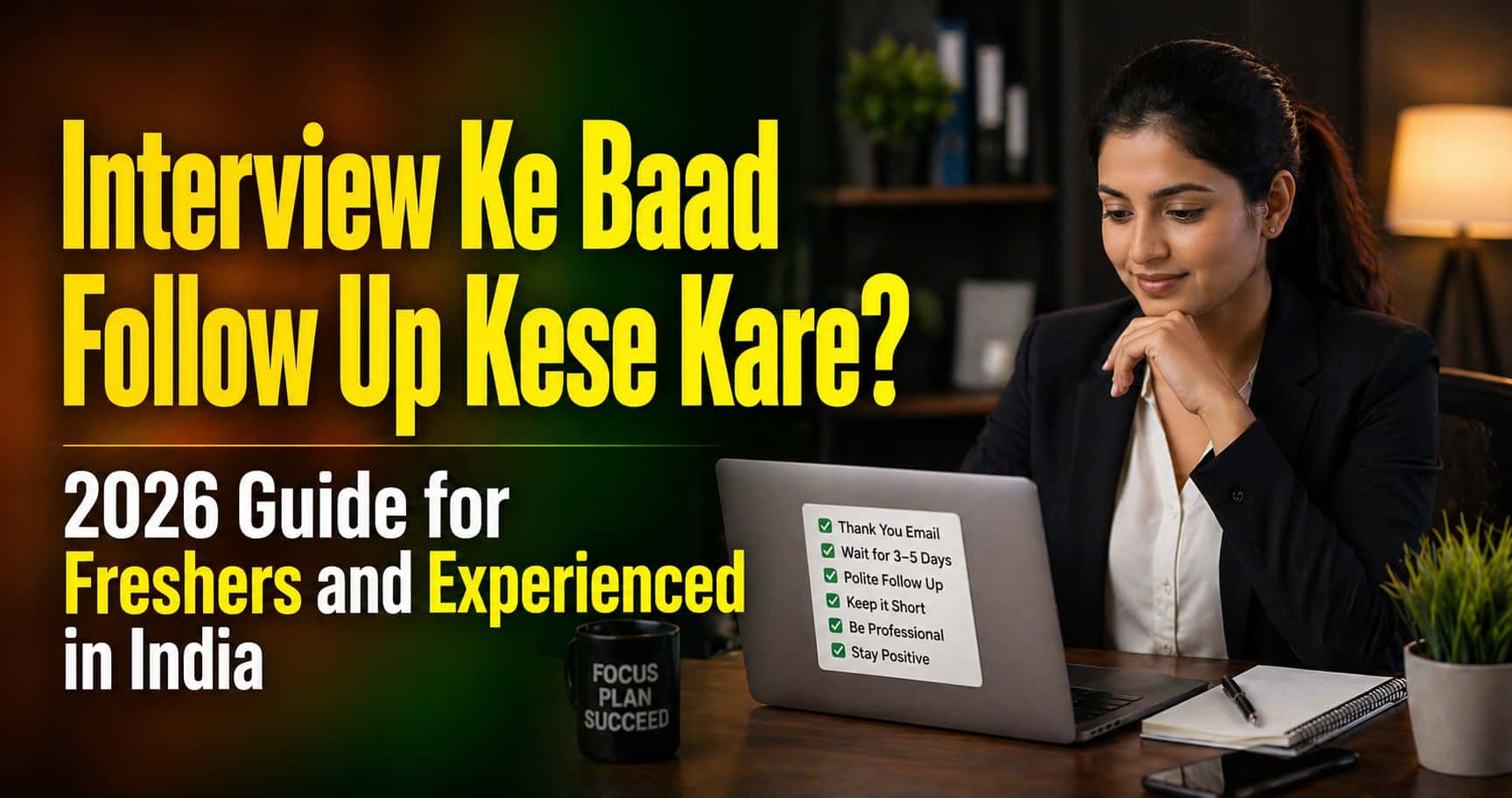
Most candidates come out of an interview and just wait; they never send a thank-you note or follow up. In highly competitive hiring conditions, this simple act can be a game-changer.
Sending a concise, professional post-interview follow-up message demonstrates your serious commitment to the opportunity and ongoing enthusiasm for the position. It helps to keep your name front-of-mind with the interview panel while they consider their options.
How To Avoid It
Email everyone who interviewed you a brief thank-you message to arrive within 24 hours of your interview; make sure you reference something specific discussed during your interview. Reiterate your interest in the position and the company; limit yourself to three/four sentences.



Comments